Kalulla: A Handwritten Typeface for Modern Web Design
In the fast-paced world of digital product creation, finding the right balance between personality and professionalism is a constant challenge. As web designers and UI specialists, we often rely on safe, geometric sans serif fonts to ensure readability across devices. However, this approach can sometimes strip a brand of its human touch. This is where Kalulla enters the conversation. As a hand written typeface with a clean and elegant style, Kalulla offers a bridge between organic creativity and digital precision. It is not just a decorative element; it is a strategic tool for establishing visual hierarchy and emotional connection in web experiences.
The Digital Appeal of Brush Precision
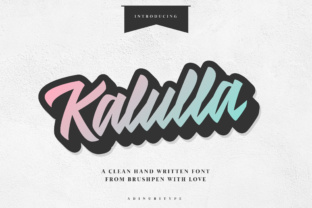
Kalulla belongs to the Script Amp category of Fonts, but it distinguishes itself through its origin and execution. Created with a brush pen and digitalized with precision, it retains the natural flow of handwriting while eliminating the inconsistencies that often plague script fonts on screens. For a web designer, this consistency is crucial. When you are building a responsive landing page or an app interface, you need a font that renders predictably at various sizes.
The elegance of Kalulla comes from its controlled strokes. Unlike chaotic scribbles that can hinder readability, this premium font maintains clear letterforms. This makes it an excellent choice for modern typography projects where brand tone needs to feel approachable yet refined. Whether you are designing for a boutique online store or a high-end coaching website, the font conveys a sense of curated care. It suggests that the brand behind the screen values aesthetics and attention to detail.
Strategic Placement in User Interfaces
Understanding where to place a display font like Kalulla is key to maintaining usability. It is not designed for long-form body copy. Instead, it thrives in areas where you need to capture immediate attention or add a layer of sophistication. Here are practical applications for digital layouts:
- Hero Sections: Use Kalulla for main headlines on landing pages to create an instant emotional hook. Its handwritten nature breaks the grid of standard web layouts, drawing the eye naturally.
- Call-to-Action Areas: Short phrases like "Join Us" or "Get Started" gain warmth when rendered in Kalulla, making buttons feel less transactional and more inviting.
- Testimonials and Quotes: In content sections, using this script font for customer quotes adds authenticity, mimicking the feel of a personal recommendation.
- Logo Design and Branding: For creative entrepreneurs, Kalulla serves as a strong foundation for logo text, especially in industries like wellness, fashion, and artisanal goods.
When used in these contexts, Kalulla supports conversion-focused layouts by reducing visual fatigue. Users scan websites quickly, and a well-placed handwritten element acts as a visual anchor, guiding them through the narrative of your brand identity.
Readability and Responsive Considerations
One of the primary concerns when integrating a script font into web design is mobile responsiveness. On smaller screens, intricate details can blur or become illegible. Kalulla’s clean structure helps mitigate this issue, but best practices still apply. Always test the font size on mobile devices. For headings, ensure there is sufficient line height to prevent ascenders and descenders from overlapping.
Contrast is another critical factor. Kalulla performs beautifully on light backgrounds, where its dark strokes stand out sharply. However, if you are designing for dark mode or placing text over image overlays, ensure the weight of the font is sufficient. You may need to adjust the color brightness or add a subtle drop shadow to maintain clarity. The goal is to preserve the elegant style without sacrificing accessibility. Remember, a beautiful font that cannot be read fails its primary purpose in UI design.
Effective Font Pairing Strategies
To maximize the impact of Kalulla, pair it with complementary typefaces. Since Kalulla is a decorative display font, it needs a stable partner for body copy. A neutral sans serif font is often the best choice. This combination creates a modern, editorial design feel that is popular in contemporary web trends. The sans serif provides structure and readability, allowing Kalulla to shine as the accent.
Alternatively, for a more traditional or literary vibe, consider pairing it with a classic serif font. This works well for blog graphics and course sales pages where trust and authority are paramount. The contrast between the fluidity of the handwritten font and the rigidity of the serif creates a dynamic visual rhythm. Avoid pairing Kalulla with other script fonts, as this can create visual clutter and confuse the user’s scanning behavior.
Licensing and Technical Implementation
Before implementing Kalulla in client projects or commercial products, verify the licensing terms. Most premium fonts require specific licenses for web use, especially if they are embedded via @font-face or used in digital templates. Ensure you have the correct rights for online stores, landing pages, and app screens. Check the included file formats to confirm compatibility with major browsers. Webfont availability is essential for consistent rendering across Chrome, Safari, and Firefox.
Additionally, explore any alternates or stylistic sets included in the font package. Some handwritten typefaces offer multiple versions of certain letters to prevent repetition in longer words. While Kalulla is designed for short phrases, knowing these features can enhance your design assets and give you more flexibility in logo design and packaging design contexts.
Integrating Kalulla into your design system is more than just a aesthetic choice; it is a decision to humanize your digital presence. By balancing its elegant style with robust technical implementation, you create web experiences that resonate with users on a deeper level. From social media graphics to full-scale brand identity systems, this typeface offers the versatility needed for today’s diverse digital landscape.